
Essential Hi-Vis Rain Pants
Essential Hi-Vis Rain Pants: Stay Safe and Dry in Any Weather
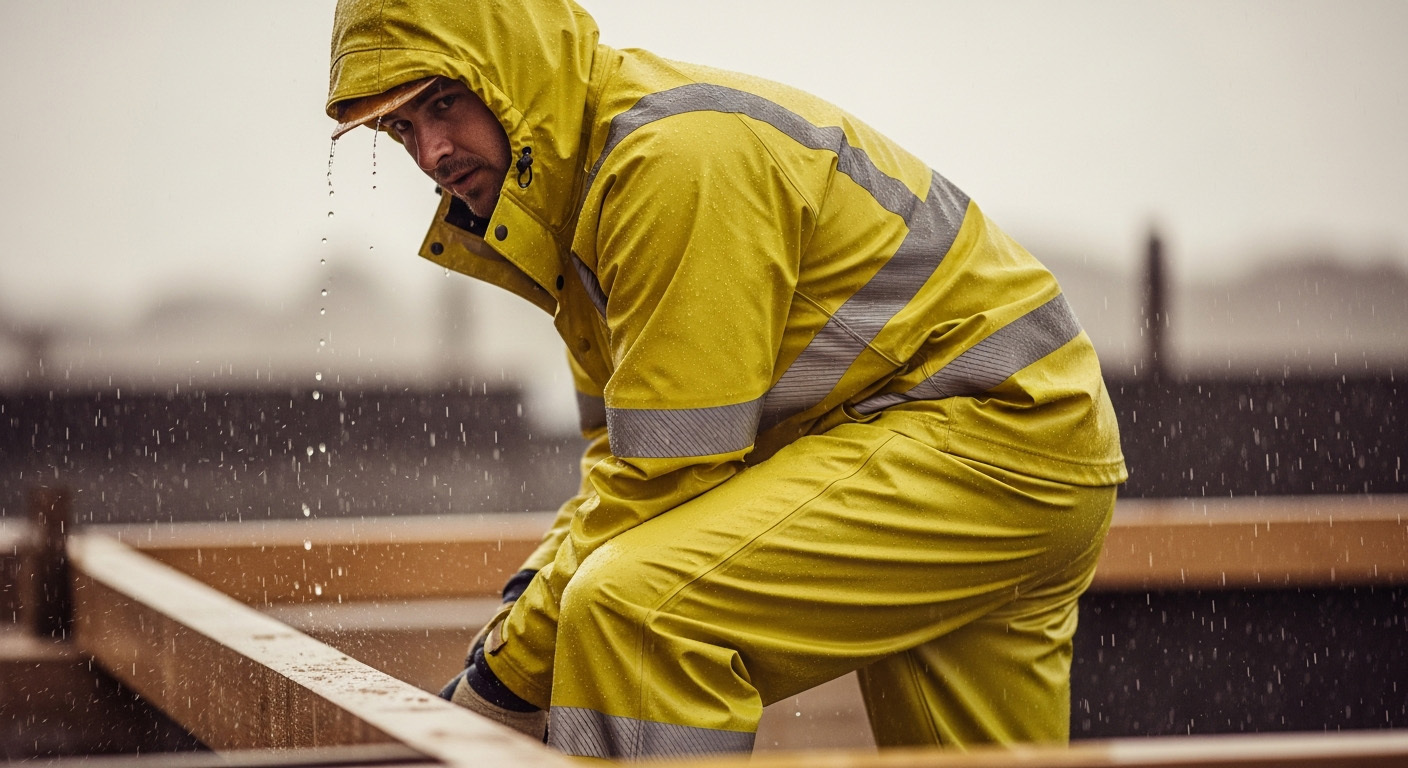
In demanding professional environments, worker safety and operational efficiency are paramount. For teams working outdoors, near traffic, or in low-light conditions, high-visibility apparel is not just a recommendation—it's a necessity. Essential hi-vis rain pants & Bibs are a critical component of any comprehensive Personal Protective Equipment (PPE) program, offering a dual defense against occupational hazards. They provide crucial protection from inclement weather, keeping your team dry, comfortable, and focused, while their fluorescent and retroreflective materials ensure they remain conspicuous to vehicle operators and colleagues. This guide is designed for safety managers, procurement officers, and business owners to navigate the key considerations for selecting the most effective and compliant hi-vis rain pants for their workforce.
Why Hi-Vis Waterproof Pants Are Non-Negotiable for Workplace Safety
Beyond basic rain gear, hi-vis waterproof pants serve as a fundamental piece of workplace safety gear, engineered to mitigate specific and serious risks. Their role in a PPE strategy is to actively reduce the likelihood of accidents by addressing two of the most common occupational hazards faced by outdoor workers: poor visibility and adverse weather. Neglecting either can lead to severe consequences, from workplace accidents to health complications and significant operational downtime.
The primary function of high visibility clothing is to differentiate a worker from their surrounding environment. This is achieved through a combination of carefully selected materials:
-
Reduced Visibility: In daylight, fog, or rain, the fluorescent yellow, orange, or red fabric reacts with the sun's UV rays, appearing to glow and making the wearer stand out. During nighttime or in low-light conditions, retroreflective tape bounces light from sources like vehicle headlights directly back to the source, illuminating the worker's silhouette from hundreds of feet away. This is a critical safety feature for anyone working near moving vehicles or heavy equipment.
-
Adverse Weather Conditions: Exposure to rain, wind, and cold is more than just a matter of discomfort. It can lead to hypothermia, frostbite, and a dangerous loss of focus and dexterity. Quality hi-vis waterproof pants feature sealed seams and wind-resistant membranes to create an impenetrable barrier against the elements, ensuring workers stay dry and maintain a safe core body temperature.
For businesses, investing in certified high-visibility workwear provides a significant return. It directly contributes to improved worker safety, dramatically lowering the risk of costly accidents and injuries. Furthermore, it ensures compliance with federal and state safety regulations, such as those mandated by OSHA, protecting the company from fines and legal liability. When workers are properly protected from the elements, their morale and productivity increase, as they can perform their duties effectively without the distraction and physical stress of being cold and wet. Choosing certified PPE is the only way to guarantee this level of protection and compliance.
Selecting the Right Hi-Vis Rain Pants: A Comprehensive Buyer's Guide
 Choosing the right hi-vis rain pants involves more than just picking a size and color. To ensure optimal safety, compliance, and user comfort, it's essential to understand the technical specifications and standards that define performance. A systematic approach to selection will guarantee you invest in durable workwear materials that protect your team and your business.
Understanding Certification and Standards
The most important factor in your decision is certification. In the United States, the primary standard is ANSI/ISEA 107. This standard specifies the minimum amount of fluorescent background material and retroreflective tape required for different risk levels.
-
Class E (Supplemental): This class applies to hi-vis pants. By themselves, they do not meet a specific class requirement. However, when worn with a Class 2 or Class 3 vest, jacket, or shirt, the total ensemble is rated as Performance Class 3, offering the highest level of visibility for workers in high-traffic areas and poor weather conditions.
For weather protection, look for garments rated to the EN 343 standard. While European, its rating system is a globally recognized benchmark for waterproofness and breathability, often displayed as two numbers (e.g., 4/4). The first number indicates water penetration resistance, and the second indicates breathability, with higher numbers signifying better performance.
Key Material and Construction Features
The fabric and build quality determine how well the pants perform in the field.
-
Waterproofness: Look for pants with taped or welded seams to prevent water from leaking through the stitching. The fabric's waterproof rating, often measured by a hydrostatic head test (in mm), indicates the amount of water pressure it can withstand. A higher rating means greater protection in heavy, sustained downpours.
-
Breathability: Active work generates sweat, which can leave a worker feeling damp and cold from the inside. Breathable hi-vis trousers allow this moisture vapor to escape. This is measured by a Moisture Vapor Transmission Rate (MVTR). A higher MVTR rating means greater comfort during strenuous tasks.
-
Durability: The work environment demands robust materials. Look for fabrics like PU-coated polyester or ripstop nylon that resist tears, punctures, and abrasion. Reinforced knee and seat areas provide extra longevity in high-wear zones.
-
Fit and Comfort: An uncomfortable garment won't be worn correctly, compromising safety. Features like elastic or adjustable waistbands, articulated knees for better movement, and a design that allows for layering underneath are crucial for all-day comfort and functionality.
Design Elements for Functionality
Small details can make a big difference. Consider features like waterproof pass-through pockets, secure cargo pockets, and ankle zippers or snaps that make it easy to put the pants on or take them off over heavy work boots. The placement and width of the reflective tape should also comply with ANSI standards to ensure 360-degree visibility.
Specialized Hi-Vis Rain Pants for Every Industry and Application
While all hi-vis rain pants share the core goals of visibility and weather protection, different industries have unique demands that necessitate specialized features. Selecting gear tailored to the specific application ensures maximum safety and performance.
Construction & Road Work
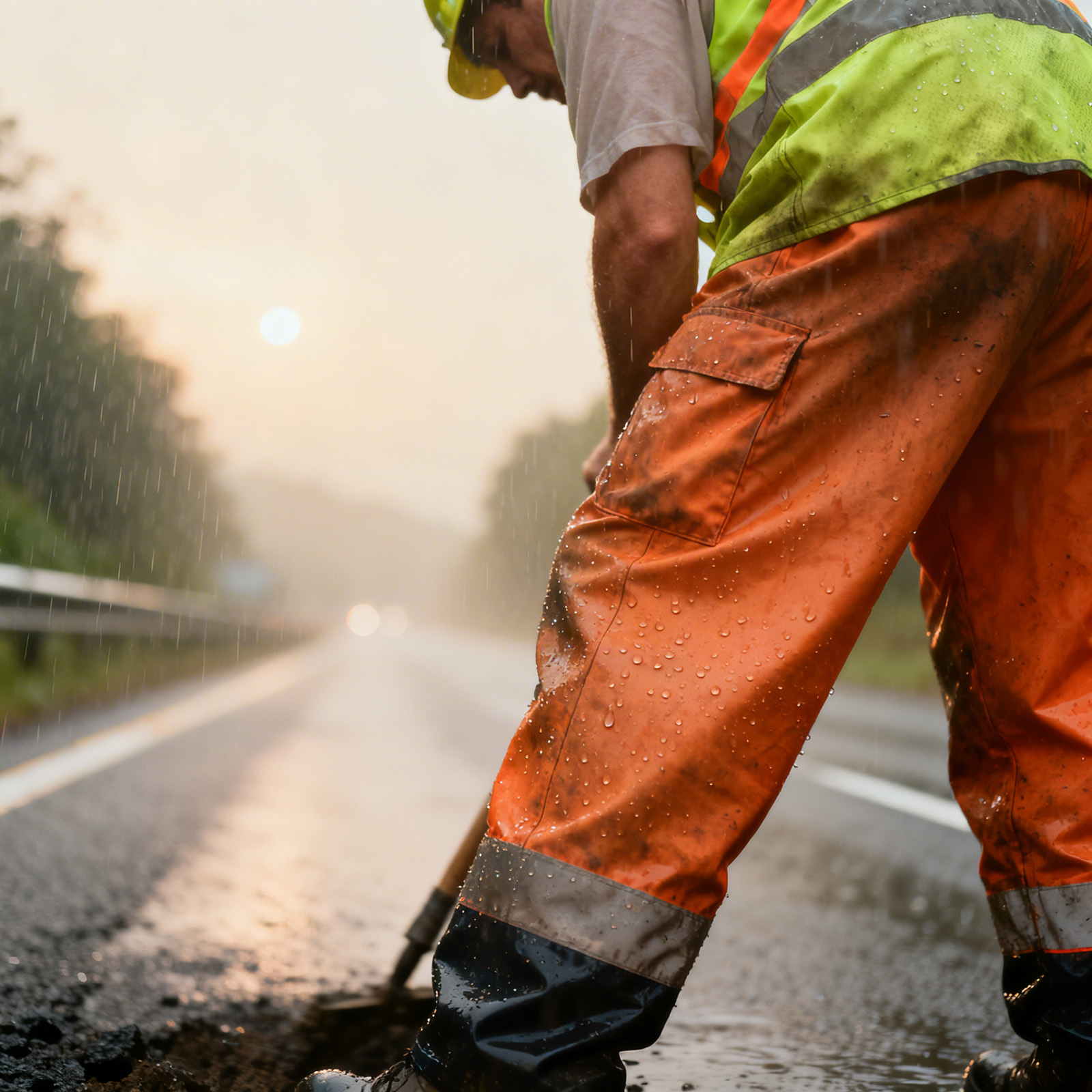
Workers in these high-risk environments require maximum durability and visibility. Construction hi-vis pants are often made from heavy-duty, snag-resistant polyester with a PU coating to shed rain, mud, and grime. Key features include reinforced knee patches to withstand frequent kneeling, wide reflective bands, and a Class E rating to achieve Class 3 compliance when paired with an appropriate vest or jacket. Look for road worker rain gear with black panels on the lower legs to hide dirt and maintain a cleaner appearance.
Railway & Utility Workers
This sector often has stringent requirements beyond standard visibility. Railway safety trousers may need to meet specific industry standards for color and reflective tape placement. For utility workers dealing with potential electrical hazards, flame-resistant (FR) and arc-rated (AR) hi-vis rain pants are non-negotiable. This specialized PPE is designed to not ignite or continue to burn when exposed to an arc flash, providing critical protection against severe burns.
Emergency Services & Forestry
First responders and forestry workers need gear that allows for maximum mobility and resists environmental damage. For this emergency services PPE, lightweight, breathable, and flexible materials are key. Forestry waterproof clothing should feature a ripstop construction to prevent tears from branches and undergrowth. Pants designed for these roles often have a more athletic fit and articulated design to allow for running, climbing, and navigating difficult terrain without restriction.
General Industrial Use
For applications like yard maintenance, event management, or warehouse logistics, a versatile and reliable pair of hi-vis rain pants is sufficient. These options balance durability, comfort, and cost-effectiveness, providing essential ANSI Class E visibility and solid waterproof protection for a variety of outdoor industrial tasks without the need for highly specialized features like flame resistance.
Maximizing Longevity: Care, Maintenance, and FAQs for Your Hi-Vis Waterproof Pants
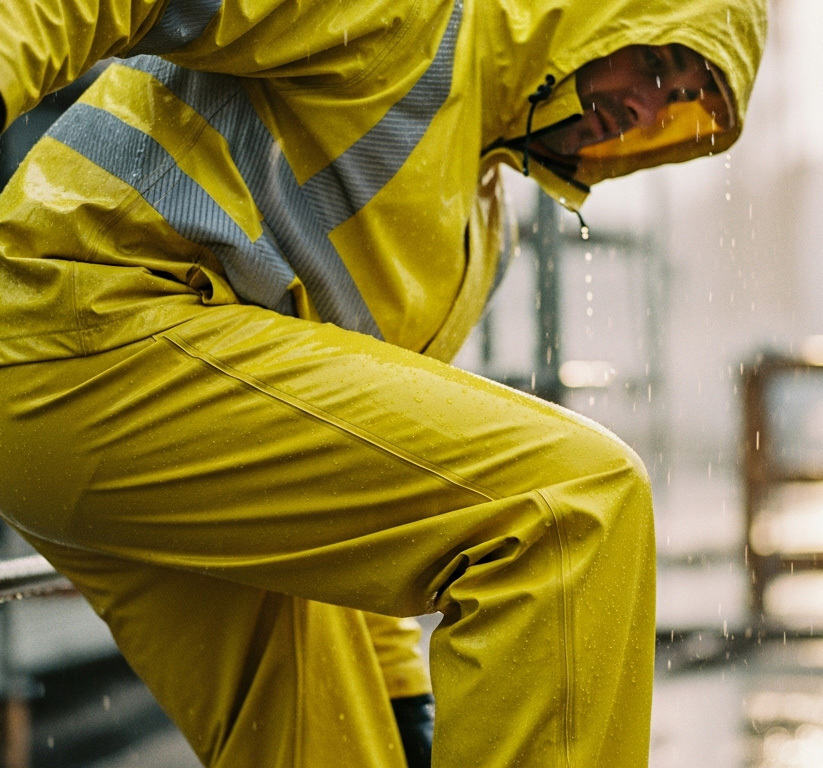 Proper care is essential for extending the life of your investment and, more importantly, ensuring your hi-vis rain pants continue to provide compliant protection. Dirt, grease, and improper laundering can severely degrade both the reflective and waterproof properties of the garment, rendering it ineffective. A consistent program of safety gear upkeep is a critical part of any workplace safety plan.
Proper Cleaning and Storage
Following the manufacturer's instructions is the best way to preserve your gear. However, some general guidelines for washing hi-vis clothing apply:
-
Wash garments in cold or warm water on a gentle cycle. Hot water can damage the reflective tape.
-
Use a mild detergent. Avoid using fabric softeners, bleach, or harsh industrial solvents, as they can break down the waterproof membrane and the adhesives on the reflective tape.
-
Do not wash with heavily soiled or rough items (like jeans with rivets) that could abrade the fabric or reflective materials.
-
Tumble dry on low heat or, preferably, hang to dry away from direct sunlight. High heat can shrink the garment and damage the reflective tape.
-
Store clean, dry pants in a cool, dark place to prevent the fluorescent colors from fading due to UV exposure.
Inspection and Replacement
Regular inspection is crucial for maintaining safety compliance. Before each use, workers should quickly check their pants for damage. A more thorough inspection should be conducted on a routine basis. Look for:
-
Fading: If the fluorescent background material is faded or heavily soiled, its daytime visibility is compromised.
-
Damaged Reflective Tape: Check for cracking, peeling, or missing sections of reflective tape. If the tape is damaged, it will not reflect light effectively at night.
-
Physical Damage: Rips, tears, and broken seams compromise the waterproof integrity of the pants and can be a snag hazard.
A garment should be retired from service immediately if it fails inspection. While there is no set expiration date, the effective lifespan of hi-vis rain pants depends entirely on use and care. A well-maintained garment may last for many months, while one used in harsh conditions and laundered improperly may become non-compliant much sooner. When in doubt, replace it. The cost of a new pair of pants is insignificant compared to the cost of an accident.