
Hand Protection

Safety Work Gloves - Cut Resistant, Leather & Chemical Protection (ANSI/ISEA 105)
OSHA reports that hand injuries account for roughly one in four workplace injuries, and most are preventable with the correct glove for the task. Selecting the right work glove starts with identifying the primary hazard — cuts, abrasion, punctures, chemicals, vibration, or cold — and matching it to a glove rated for that specific risk under ANSI/ISEA 105, the American standard for hand protection classification.
The most commonly referenced rating is the ANSI cut level scale (A1–A9), which measures the grams of force required to cut through a glove material using a standardized blade test (ASTM F2992 / ISO 13997):
- A1–A3 (200–999g) — Light to moderate cut hazards: general material handling, packaging, light assembly, food prep
- A4–A6 (1,000–2,999g) — Moderate to high cut hazards: construction, glass handling, sheet metal work, automotive assembly
- A7–A9 (3,000–6,000g+) — Highest cut hazards: metal stamping, glass fabrication, blade handling, heavy manufacturing
Note that ANSI cut level only measures resistance to cuts — not punctures, abrasion, impact, or chemical exposure, which are rated separately under ANSI/ISEA 105. Always check all relevant ratings for your specific hazard profile, not cut level alone.
Our work glove collection includes leather work gloves (cowhide and goatskin, for general durability and grip); cut-resistant gloves (HPPE, Kevlar®, and steel-fiber blends across the full A1–A9 range, with nitrile, polyurethane, or sandy-finish coatings for grip); chemical-resistant gloves (nitrile, neoprene, and PVC for solvent, oil, and chemical handling); anti-vibration gloves (gel or foam padded palms for workers using impact tools and grinders); extrication gloves (reinforced for emergency response and rescue work); and fingerless and waterproof gloves for specialty applications.
Use the filters on this page to sort by ANSI cut level, material, coating, and brand. For arc-flash-rated hand protection, see our FR accessories collection.
- Product
- Qty in Cart
- Quantity
- Price
- Subtotal
-

Majestic Box of 12 Pair Armor Skin Mechanics Gloves with Hi Vis Knit Back 2136HY
Majestic Glove
$122.95 - $129.10The 2136HY by Majestic is a case of Armor Skin Mechanics Gloves with a high visibility knit back. This style design features Armor Skin™ synthetic leather palms and neoprene knuckles. The slip-on wrist allows easy donning and removal. These hi-vis...$122.95 - $129.10 -

Majestic Armor Skin Mechanics Glove with Hi Vis Knit Back 2137HY
Majestic Glove
$21.42The 2137HY by Majestic is one pair, Armor Skin™ Mechanics glove with yellow a high visibility knit back. This design features an Armor Skin™ synthetic leather palm, neoprene knuckles and secure velcro wrist closure. These hi-vis workwear...$21.42 -
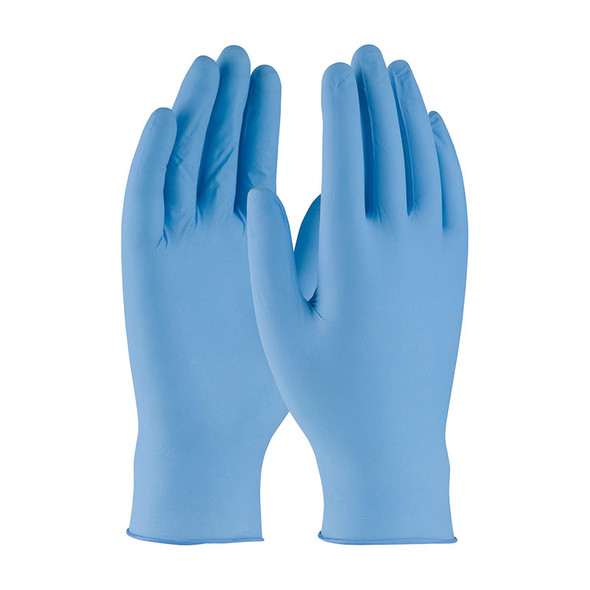
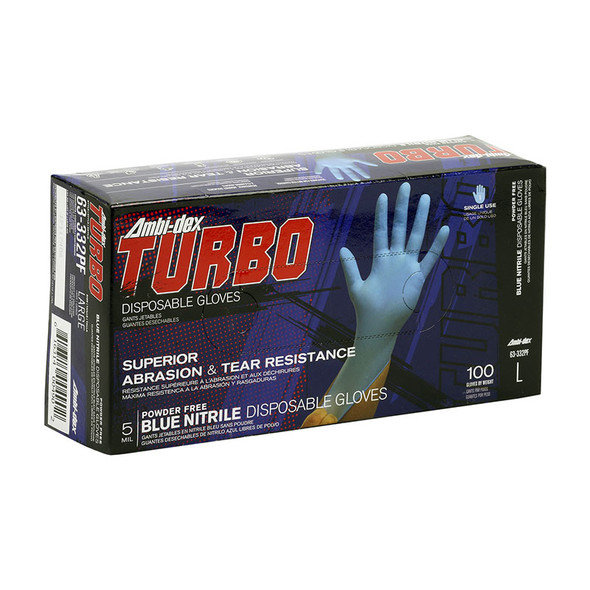
PIP Case of 1000 Ambi-dex 5 Mil Turbo Disposable Nitrile Powder Free Blue Gloves 63-332PF
PIP
$110.98The 63-332PF by PIP are Ambi-dex axle disposable nitrile powder free safety gloves. These gloves economical puncture resistant gloves provide comfort, dexterity and tactile sensitivity. The textured grip is reliable in both wet or dry...$110.98 -


PIP Case of 1000 Ambi-dex 5 Mil Turbo Disposable Nitrile Powdered Blue Gloves 63-332
PIP
$95.64The 63-332 by PIP are Ambi-dex axle disposable nitrile powdered safety gloves. These gloves economical puncture resistant gloves provide comfort, dexterity and tactile sensitivity. The textured grip is reliable in both wet or dry...$95.64 -

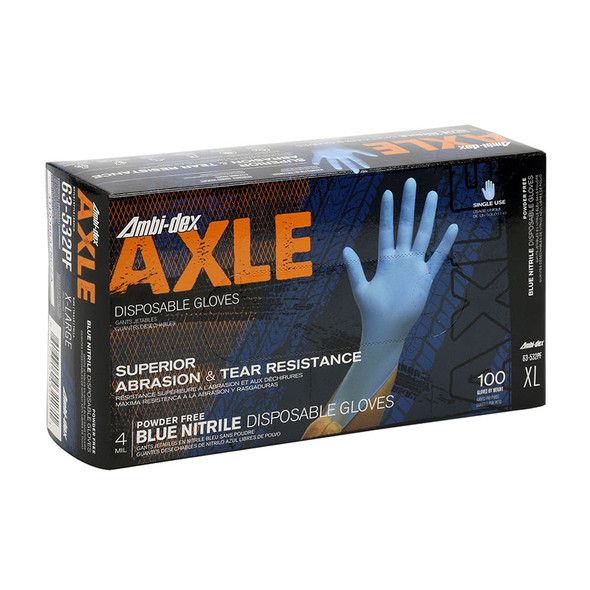
PIP Case of 1000 Ambi-dex 4 Mil Axle Disposable Nitrile Powder Free Blue Gloves 63-532PF
PIP
$88.51The 63-532PF by PIP are Ambi-dex axle disposable nitrile powder free safety gloves. These gloves economical puncture resistant gloves provide comfort, dexterity and tactile sensitivity. The textured grip is reliable in both wet or dry...$88.51 -
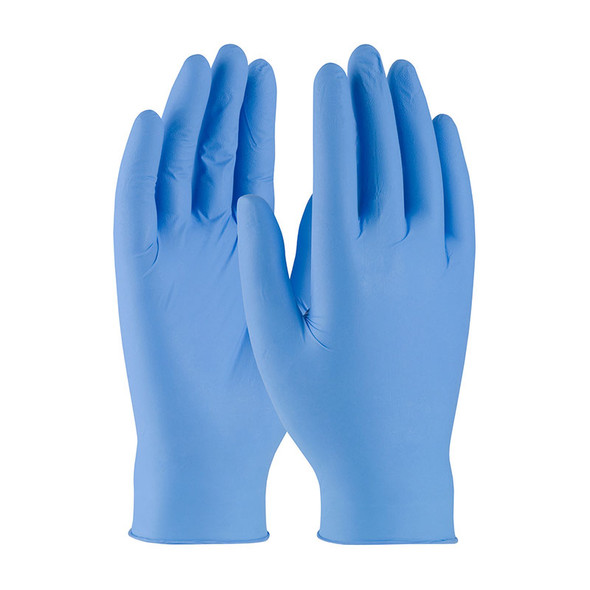

PIP Case of 1000 Ambi-dex 3 Mil Octane Disposable Nitrile Powder Free Blue Gloves 63-230PF
PIP
$66.96The 63-230PF by PIP are Ambi-dex octane disposable nitrile, powder free blue gloves that are sold by the case of 1000. These gloves economical puncture resistant gloves provide comfort, dexterity and tactile sensitivity. The textured grip is...$66.96 -

PIP Box of 72 Pair A3 Cut Level Maxicut Ultra Gloves 44-3745
PIP
$1,079.17The 44-3745 by PIP are ANSI Cut Level 3 gloves that have a black micro-foam, nitrile coating. ANSI Cut Level A3 Standards are met with a nitrile coating which covers high performance yarns and fibers which provide a high level of comfort. The patented...$1,079.17 -

PIP Box of 72 Pair A5 Cut Level G-Tek PolyKor Nitrile Coated Green Gloves 16-665
PIP
$579.33The 16-665 by PIP are seamless knit, PolyKor blended A5 Cut gloves. Made with a PolyKor blended shell, this lightweight material provides excellent dexterity, tactile sensitivity and cut resistance. The Nitrile MicroSurface coated palm and fingertips...$579.33 -

PIP Box of 72 Pair A5 Cut Level G-Tek PolyKor Nitrile Coated Gloves 16-655
PIP
$686.34The 16-655 by PIP are seamless knit, PolyKor blended A5 Cut gloves. Made with a PolyKor blended shell, this lightweight material provides excellent dexterity, tactile sensitivity and cut resistance. The Nitrile MicroSurface coated palm and fingertips...$686.34 -

PIP Box of 72 Pair A5 Cut Level G-Tek PolyKor Nitrile Coated Lime Gloves 16-645LG
PIP
$533.45The 16-645LG by PIP are seamless knit, PolyKor blended A5 Cut gloves. Made with a PolyKor blended shell, this lightweight material provides excellent dexterity, tactile sensitivity and cut resistance. The Nitrile MicroSurface coated palm and fingertips...$533.45 -

PIP Box of 72 Pair A5 Cut Level G-Tek PolyKor Nitrile Coated Blue Gloves 16-635
PIP
$678.53The 16-635 by PIP are seamless knit, PolyKor blended A5 Cut gloves. Made with a PolyKor blended shell, this lightweight material provides excellent dexterity, tactile sensitivity and cut resistance. The Nitrile MicroSurface coated palm and fingertips...$678.53 -


PIP Box of 72 Pair Cowhide Leather Glove with Red Foam Lining 77-268
PIP
$643.93The 77-268 by PIP are top grain Cowhide leather gloves with red foam lining. Top grain Cowhide leather provides breathability and becomes softer with use and withstands moisture without stiffening. The red thermal lining inside, is a heavy dense fabric...$643.93 -

PIP Box of 72 Pair A3 Cut Level G-Tek Hi Vis Seamless Knit Nylon Gloves 41-1415
PIP
$633.83The 41-1415 by PIP is a G-Tek Hi visibility, seamless knit, polyester glove with double dipped nitrile coated foam grip. Made with 15 gauge Polyester and 10 gauge Acrylic with a nitrile foam coating, this glove meets ANSI Cut Level A3 Standards. The...$633.83 -
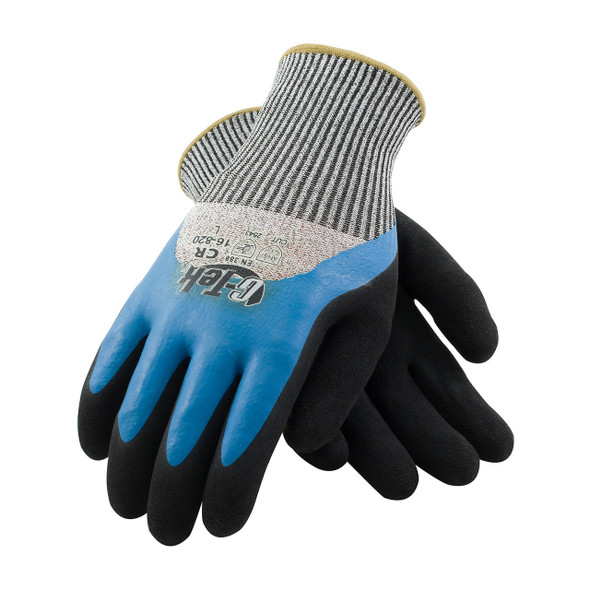

PIP Box of 72 Pair A3 Cut Level G-Tek Polykor Gloves 16-820
PIP
$1,122.70The 16-820 by PIP are G-Tek PolyKor seamless knit gloves with acrylic lining and a double-dipped latex coated MicroSurface grip. The seamless construction offers increased comfort and breathability, while the PolyKor shell provides excellent dexterity,...$1,122.70 -

Majestic Case of 72 Pair Armor Skin Mechanics Glove with Hi Vis Knit Back 2137HY
Majestic Glove
$771.16 - $809.75The 2137HY-CASE by Majestic is a case of Armor Skin™ Mechanics glove with yellow a high visibility knit back. This design features am Armor Skin™ synthetic leather palm, neoprene knuckles and secure velcro wrist closure. These hi-vis...$771.16 - $809.75 -
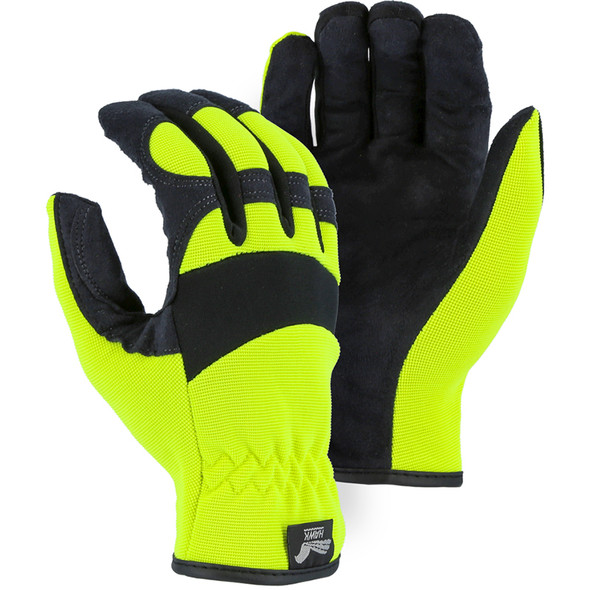
Majestic Case of 72 Pair Armor Skin Mechanics Gloves with Hi Vis Knit Back 2136HY
Majestic Glove
$737.68 - $774.60The 2136HY-CASE by Majestic is a case of Armor Skin Mechanics Gloves with a high visibility knit back. This style design features Armor Skin™ synthetic leather palms and neoprene knuckles. The slip on wrist allows easy donning and...$737.68 - $774.60
Work Gloves & Hand Protection — Frequently Asked Questions
ANSI/ISEA 105 cut levels run from A1 (lowest) to A9 (highest), measured by the grams of cutting force a glove can withstand:
| Cut Level | Force (grams) | Typical Tasks |
|---|---|---|
| A1–A2 | 200–499g | Light material handling, packaging, general warehouse work |
| A3 | 500–999g | Light construction, basic assembly, food prep with knives |
| A4–A5 | 1,000–2,199g | General construction, automotive assembly, HVAC, electrical work |
| A6 | 2,200–2,999g | Glass handling, sheet metal work, heavier construction |
| A7–A9 | 3,000–6,000g+ | Metal stamping, glass fabrication, blade handling, heavy manufacturing |
When in doubt, check your employer's hazard assessment or PPE program documentation — the correct cut level is task-specific. Underrating cut protection (e.g., using A2 gloves for sheet metal work) is a leading cause of preventable hand injuries.
No — a higher cut level only means better resistance to cuts. ANSI/ISEA 105 separately rates gloves for puncture resistance, abrasion resistance, and chemical permeation/degradation. A glove with an A9 cut rating may have poor chemical resistance, and a glove rated for excellent chemical protection may have a low cut rating. Always check all ratings relevant to your hazards, not cut level alone.
Higher cut levels also generally mean reduced flexibility and dexterity. A7–A9 gloves are stiffer due to denser fiber construction (HPPE, Kevlar®, or steel fiber blends). Choose the lowest cut level that adequately protects against your specific hazard to maintain dexterity for the task.
Leather work gloves (cowhide, goatskin, deerskin, or pigskin) provide good general abrasion resistance, durability, and a comfortable break-in fit. They typically carry low to moderate ANSI cut ratings (A1–A3) unless reinforced with synthetic cut-resistant materials at the palm. Leather is preferred for general handling, rigging, and tasks requiring grip feel and durability over specific cut protection.
Cut-resistant synthetic gloves use engineered fibers — HPPE (high-performance polyethylene), Kevlar®, Dyneema®, or steel-fiber blends — knitted into a seamless shell, often with a nitrile, polyurethane, or sandy-finish coating on the palm for grip. These achieve much higher ANSI cut ratings (A4–A9) while maintaining better dexterity than reinforced leather at equivalent protection levels. Many modern work environments combine both: leather palms reinforced with cut-resistant liners or synthetic fibers blended with leather for the best of both properties.
Chemical resistance is rated separately from cut resistance under ANSI/ISEA 105, using two metrics: permeation resistance (how long it takes a chemical to pass through the glove material) and degradation (how the material's physical properties change after exposure). Common chemical-resistant glove materials include:
- Nitrile — excellent resistance to oils, fuels, and many solvents; good puncture resistance; widely used for general industrial and automotive work
- Neoprene — good resistance to acids, caustics, and oils; flexible across a range of temperatures
- PVC — economical option for water-based chemicals, acids, and alkalis; less flexible than nitrile or neoprene
No single glove material resists all chemicals — always check the manufacturer's chemical resistance chart for the specific substance you'll be handling, including breakthrough time.
Anti-vibration gloves use gel, foam, or air-cell padding integrated into the palm and fingers to absorb and dampen vibration transmitted from power tools — jackhammers, grinders, impact wrenches, chainsaws, and similar equipment. Prolonged exposure to tool vibration without protection can lead to Hand-Arm Vibration Syndrome (HAVS), a cumulative condition causing numbness, tingling, and reduced grip strength over time.
Anti-vibration gloves are tested under ANSI/ISO 10819, which measures how much vibration is transmitted through the glove compared to a bare hand at different frequency ranges. Workers regularly using high-vibration tools should select gloves specifically rated for vibration dampening rather than relying on general padding alone.
Glove sizing is generally based on hand circumference measured around the palm (excluding the thumb), in inches, and corresponds to standard sizes: Small (7–8"), Medium (8–9"), Large (9–10"), X-Large (10–11"), and XX-Large (11"+). A properly fitted work glove should be snug enough to maintain dexterity and tactile feedback without restricting movement or causing the glove to bunch at the fingertips. Gloves that are too loose reduce grip and can get caught in machinery; gloves that are too tight reduce circulation and cause fatigue over a shift. Check the manufacturer's size chart on the individual product page, as sizing can vary between brands and glove styles.