
Accessories

Workwear Accessories - Tool Belts, Suspenders & Base Layers
The right accessories round out a workwear setup — distributing tool weight comfortably, keeping you warm in layers, and adding the small functional pieces that make a long shift more manageable. Our collection covers four core categories:
- Tool Belts — available in leather (durable, long-lasting, and conforms to the body with years of use — a long-standing preference among carpenters and framers) and nylon/synthetic (lighter weight, moisture-resistant, and more breathable — often preferred by electricians and HVAC technicians working in tight spaces or hot conditions). Look for reinforced stitching, dedicated pouches sized for specific tools, and hardware rated for your typical loaded weight.
- Work Suspenders — worn over the shoulders to distribute the weight of a loaded tool belt more evenly across the body, reducing lower back and hip strain during long days of physical work. Padded, adjustable shoulder straps prevent chafing, while leather suspenders offer maximum durability and synthetic/elastic blends prioritize comfort and freedom of movement.
- Work Hats — for sun protection, cold weather, or general daily wear on and off the job site.
- Long Underwear & Cold Weather Base Layers — worn under work pants and shirts in cold conditions. Choose moisture-wicking synthetic or merino wool base layers over cotton for active outdoor work, since cotton holds moisture and loses insulating value once damp from sweat or precipitation.
Workwear Accessories — Tool Belts, Suspenders & Base Layers
Suspenders and a tool belt are not mutually exclusive — most tradespeople who carry a fully loaded belt for a full day use both together, since suspenders relieve pressure on the back and hips while the belt itself provides the pocket organization and quick tool access. Use the filters on this page to sort by product type, material, and brand.
- Product
- Qty in Cart
- Quantity
- Price
- Subtotal
-
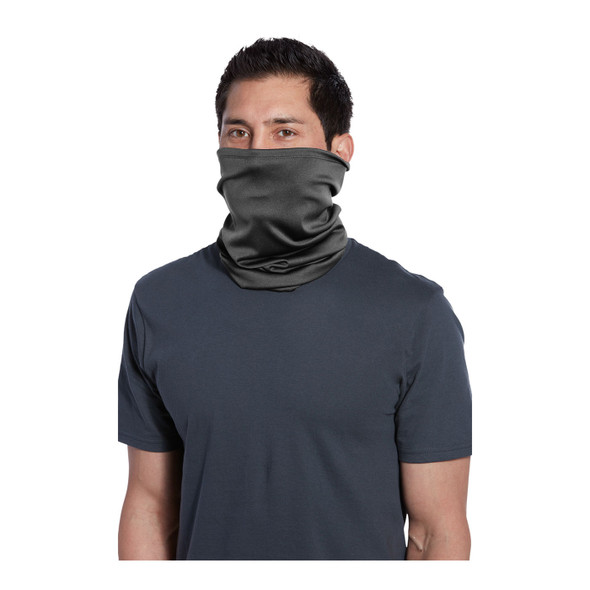
Port Authority Stretch Performance Gaiter G100
Port Authority
$3.81The G100 by Port Authority is a stretch, performance gaiter that can be worn in a variety of ways. This gaiter is made with a 95/5 poly/spandex fabric blend and measures 19"x 9.5". You can wear this gaiter as either a headband, neckerchief,...$3.81 -


Port Authority Stretch Performance Gaiters G100-CASE Case of 144
Port Authority
$548.64The G100-CASE by Port Authority is a stretch, performance gaiters that can be worn in a variety of ways. This gaiter is made with a 95/5 poly/spandex fabric blend and measures 19"x 9.5". You can wear this gaiter as either a headband,...$548.64
Workwear Accessories — Frequently Asked Questions
Leather tool belts offer the most durability and develop character over years of use — they're a long-standing preference among carpenters and framers working in tough, high-impact environments where the belt takes significant abuse. The tradeoff is more weight and less breathability in hot conditions.
Nylon and synthetic tool belts offer an excellent strength-to-weight ratio, flexibility, and resistance to water and moisture, making them well-suited to electricians, HVAC technicians, and anyone working in variable weather or tight, hot spaces where a lighter, more breathable belt matters more than maximum long-term durability.
It depends on how much weight you carry and for how long. A tool belt alone provides excellent organization and quick access to tools, but a fully loaded belt — especially one with multiple pouches of hammers, fasteners, and hand tools — can create real strain on the lower back and hips over a full shift. Suspenders distribute that weight across the shoulders and upper body, reducing fatigue and helping the belt stay anchored in positions like climbing ladders or working overhead, where a slipping belt is both uncomfortable and a safety concern. Most tradespeople who carry a heavy, fully loaded belt for entire shifts use suspenders; those with lighter, minimal belt setups may not find them necessary.
Choose moisture-wicking synthetic fabrics (polyester blends) or merino wool over cotton for active cold-weather work. Cotton absorbs and holds moisture rather than moving it away from the skin — once a cotton base layer gets damp from sweat, it loses much of its insulating value and can actually make you colder than no base layer at all once you stop moving. Synthetic and merino wool base layers continue providing meaningful warmth even when damp, and both dry significantly faster than cotton, making them the more reliable choice for physically active outdoor work in cold conditions.
Most tool belts are sized to your waist measurement, often with an adjustable range (for example, fitting a 32" to 44" waist range on a single size). Measure from the belt buckle to your most commonly used hole on a similar belt you already own, or measure your waist directly where you'd wear the belt — typically just below where a standard pants waistband sits, since a loaded tool belt is often worn slightly lower for comfort and weight distribution. Check the specific product's size chart, as adjustable ranges vary between brands and belt styles.
Keep leather tool belts away from prolonged direct sunlight and excessive moisture, both of which can dry out and crack the leather over time. Periodically condition the leather with a leather conditioner or balm to maintain flexibility, especially if the belt is used outdoors regularly. Allow leather to air dry naturally if it gets wet — never use direct heat sources like a heater vent or hair dryer to speed drying, as this accelerates cracking. With proper care, a quality leather tool belt can last for many years and will develop a worn-in, conformed fit that many tradespeople prefer over a stiffer, newer belt.