
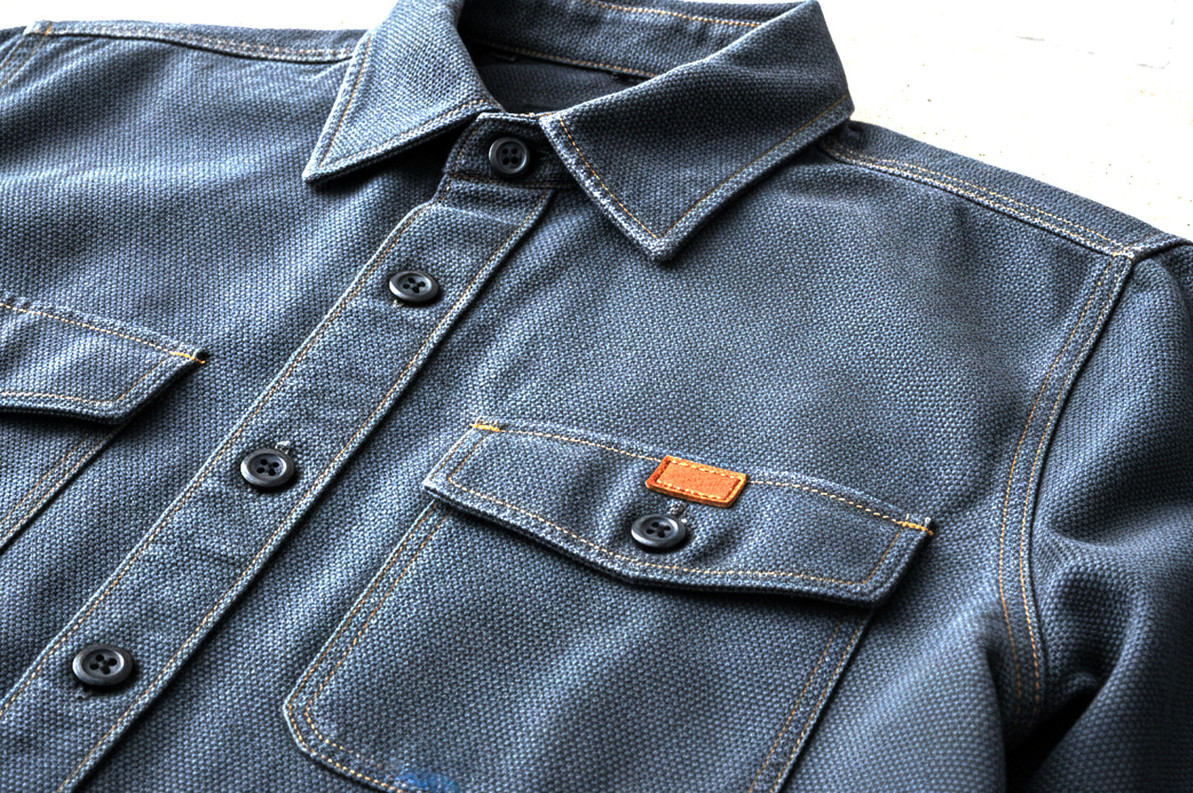
Mens Workwear Shirts: Durability and Style
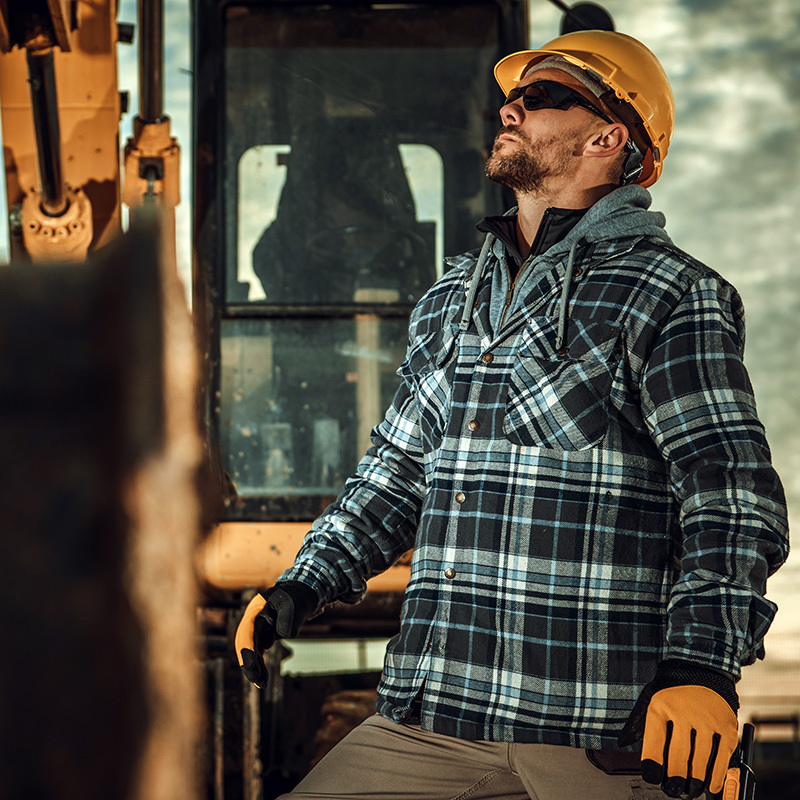 In any demanding job, from the construction site to the workshop, the right work shirt is more than just a piece of clothing it's an essential piece of gear. A reliable work shirt is your first line of defense against the elements and job-site hazards, but it also plays a critical role in your daily comfort and performance. Long gone are the days of sacrificing comfort for durability. Modern mens workwear shirts are engineered to offer a sophisticated blend of rugged functionality, advanced protection, and clean, professional style. This guide will walk you through everything you need to know to find the ideal work shirt that not only meets the demands of your industry but also fits your personal style, ensuring you stay comfortable, safe, and productive all day long.
-
Comfort is Key: A comfortable work shirt enhances focus and productivity. Look for breathable, moisture-wicking fabrics and features that allow for a full range of motion.
-
Style Meets Function: Modern work shirts come in various styles, including button-downs, polos, and high-visibility options, each designed for specific work environments and safety needs.
-
Fabric Matters: The choice between cotton, synthetic blends, and specialized materials like ripstop depends on your job's demands for breathability, durability, and moisture management.
-
Quality in the Details: Durability is found in the details. Reinforced stitching, double-stitched seams, and bar-tacking in high-stress areas are signs of a long-lasting garment.
-
Industry-Specific Needs: From construction sites requiring heavy-duty materials to outdoor jobs needing UV protection, selecting a shirt tailored to your specific role is crucial for safety and performance.
 Prioritizing Performance and Protection: Why Comfort Matters
When you're focused on the task at hand, the last thing you need is a distraction from your clothing. A comfortable work shirt directly contributes to higher productivity and sustained focus throughout a long shift. Discomfort from stiff, non-breathable fabric can lead to irritation and reduced concentration, impacting both the quality and safety of your work. Investing in comfortable work shirts designed for all-day comfort isn't a luxury; it's a practical step toward better performance. The right shirt moves with you, manages moisture, and protects you without getting in the way.
The choice of fabric is paramount for creating a work environment inside your clothes that can handle your work environment outside. For different conditions, certain materials excel. Cotton is a classic choice, prized for its exceptional softness and breathability. However, it can absorb moisture and be slow to dry. Synthetic blends, often combining polyester and cotton, offer the best of both worlds: the comfort of cotton with the added strength, wrinkle resistance, and quick-drying capabilities of polyester. For physically demanding roles or hot climates, fabrics with moisture-wicking properties are essential. These materials pull sweat away from the skin to the fabric's surface, where it can evaporate, keeping you cool, dry, and comfortable.
For the most demanding jobs, heavy duty work shirts are a necessity. These garments are constructed from robust materials like canvas, denim, or thick twill, designed to withstand abrasions, snags, and tears. Durability isn't just about the fabric's weight; it's also about smart design. Look for features that promote unrestricted movement, such as gusseted underarms or back pleats. Articulated elbows, which are pre-bent to match the natural shape of your arm, can also significantly improve your range of motion. These thoughtful construction details ensure your durable workwear won't hold you back when you're reaching, lifting, or climbing.
 Exploring Essential Work Shirt Styles for Every Professional
The world of men's workwear offers a variety of styles, each tailored to specific professional needs, climates, and safety requirements. Understanding the primary categories helps you select a shirt that is not just functional but also appropriate for your role. From classic button-ups to high-visibility polos, the right style enhances both your performance and your professional appearance.
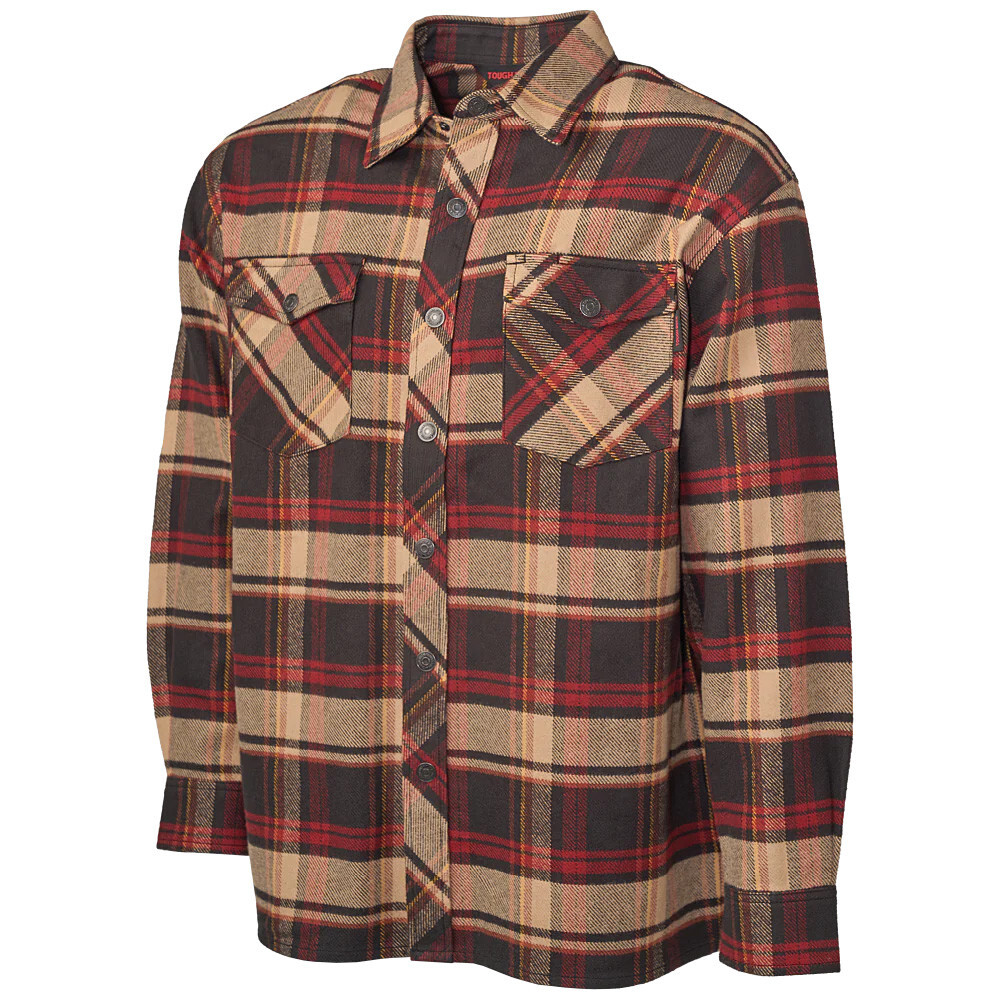
Among the most versatile options are button-up and button-down work shirts. Though often used interchangeably, there's a key difference: button-down shirts have small buttons to fasten the collar points to the shirt, offering a more casual, tidy look. Button-up shirts lack these collar buttons and are traditionally seen as slightly more formal. For workwear, this distinction is less about formality and more about practicality. A button-down collar stays put and won't flap in the wind, making it ideal for outdoor work. Work shirts for men long sleeve provide crucial protection from sun, debris, and minor abrasions, making them a staple in construction and skilled trades. Conversely, mens short sleeve shirts work well in warmer climates or for roles that require maximum arm mobility and airflow.
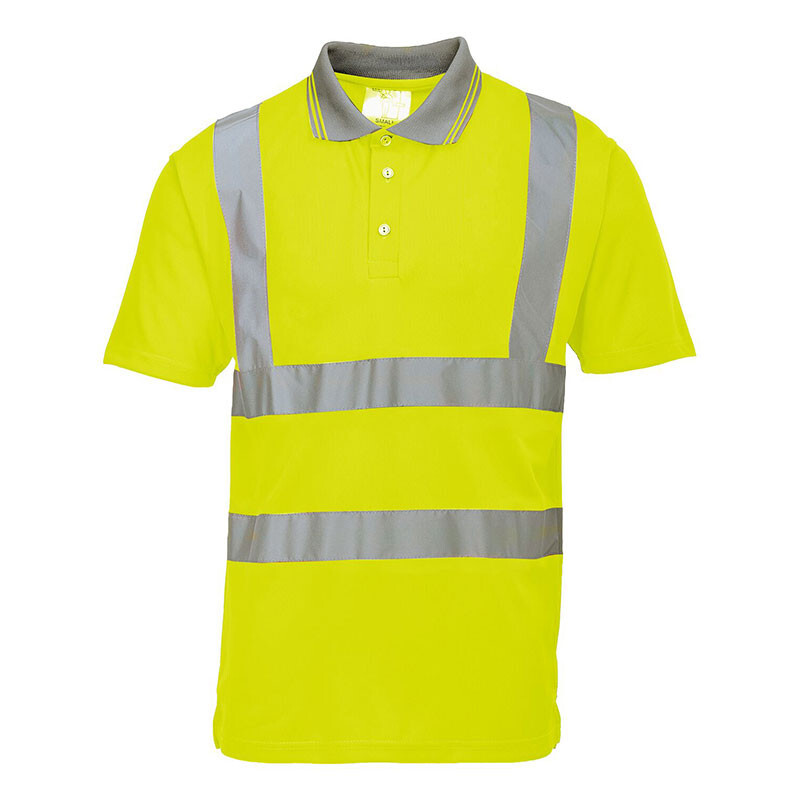
For professionals in safety-critical roles, high visibility work shirts are non-negotiable. These garments are made from fluorescent materials in bright orange or yellow-green to ensure you stand out against complex backgrounds during the day. They also feature retroreflective tape that reflects light back to its source, making you highly visible to vehicle operators in low-light conditions. Hi Vis Polo Shirts offer a comfortable, breathable, and slightly more professional-looking alternative to standard hi-vis tees, making them popular for supervisors and client-facing roles on active sites. These shirts must meet specific ANSI/ISEA 107 standards for safety compliance. Meanwhile, collared work shirts, including classic polos and sturdy twill button-ups, provide a versatile option that bridges the gap between rugged job sites and semi-formal environments like a workshop or client meeting.
 Key Features for Lasting Value in Your Work Shirt
A work shirt is an investment in your daily comfort and safety, and identifying quality construction is key to ensuring that investment pays off. The longevity and performance of a shirt are determined by its materials and the craftsmanship behind it. By knowing what to look for, you can choose a garment that will withstand the rigors of your job for years to come.
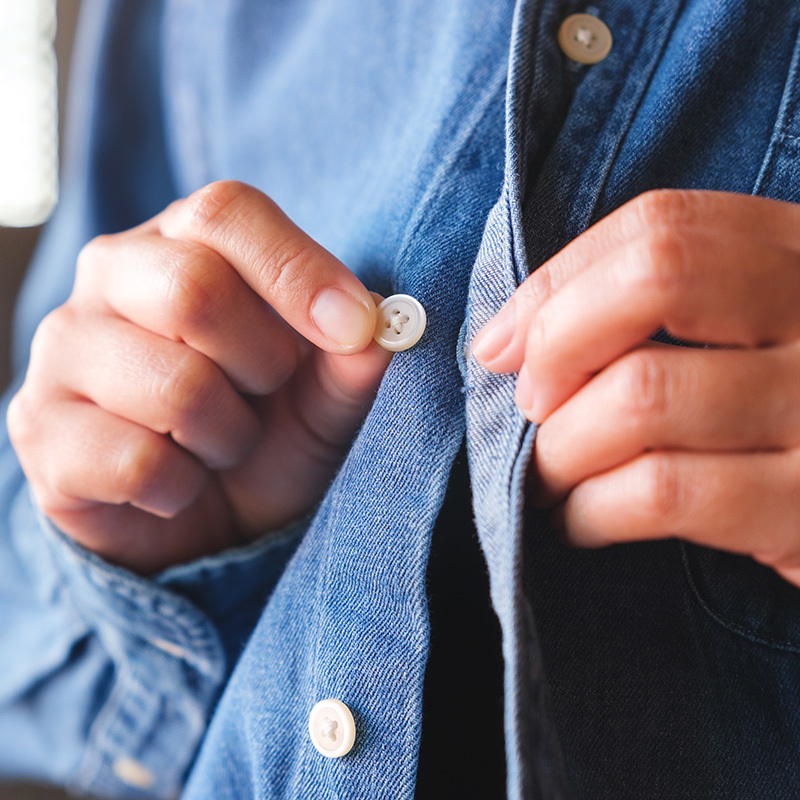
Fabric composition is the foundation of a great work shirt. A cotton button up work shirt is a popular choice for good reason; high-quality cotton is both comfortable and durable. Look for weaves like twill, which has a diagonal pattern and is known for its strength, or canvas, which is exceptionally tough. For more specialized needs, fabrics like ripstop feature a reinforced grid pattern that prevents small tears from spreading. For jobs requiring a lot of movement, stretch blends that incorporate a small amount of spandex can offer enhanced flexibility without sacrificing durability.
Beyond the fabric itself, pay close attention to the construction details. Reinforced stitching, especially double or triple-stitched seams, is a hallmark of a well-made garment designed for longevity. Bar-tacking—a series of dense stitches used to reinforce stress points like pocket corners and belt loops—is another indicator of quality. Pocket design should also be considered for its utility. Do you need deep pockets for tools, a pen slot in the chest pocket, or secure closures with buttons or flaps to keep items from falling out? These small features can make a big difference in your daily workflow. For those working in hot conditions, men's lightweight work shirts are essential. When selecting light work shirts, ensure they are made from a breathable but tightly woven fabric that still offers protection from UV rays and minor scrapes.
Tailoring Your Workwear to the Job: Industry-Specific Choices
Choosing the right work shirt often comes down to the specific demands of your industry. A shirt that’s perfect for an electrician will have different features than one designed for a landscaper or a mechanic. Matching your workwear to your job ensures you have the right combination of durability, utility, and protection to perform your best.
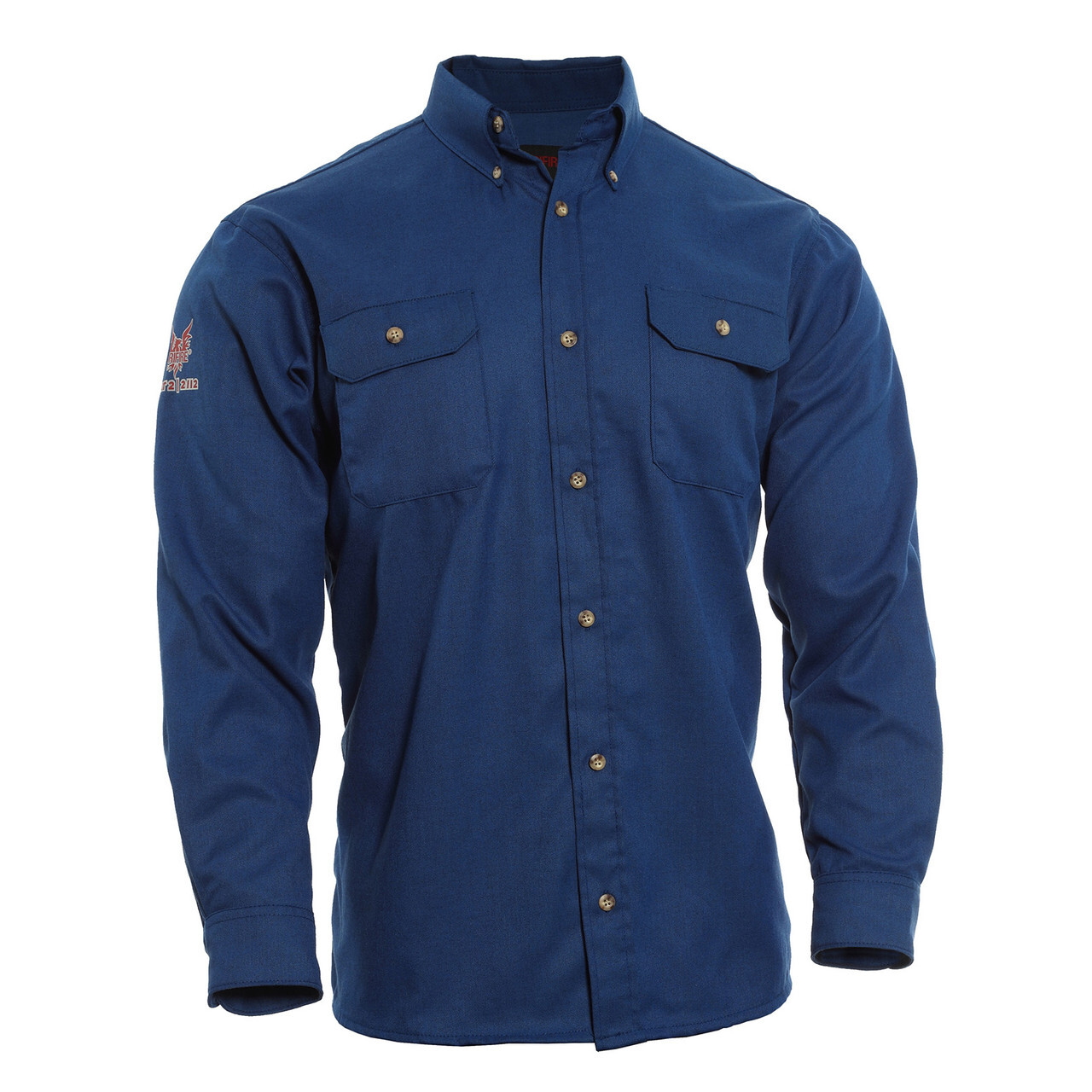
For those in the building trades, construction button up shirts are designed to be tough and functional. They are typically made from heavy-duty fabrics like duck canvas or ripstop to resist tearing and abrasion. Key features to look for include multiple, reinforced utility pockets for holding small tools and hardware, and a comfortable fit that allows for a full range of motion when lifting and bending. Workers in outdoor or physically strenuous roles should prioritize cool work shirts that offer excellent breathability and moisture-wicking properties to manage sweat and prevent overheating. Many of these shirts also come with a UPF (Ultraviolet Protection Factor) rating to shield your skin from harmful sun exposure.
Color choice can be about more than just personal preference; it can be a matter of practicality or branding. A black mens work shirt is great for hiding dirt and grease, making it a popular choice for mechanics and industrial workers. Brown work shirts and a mens green work shirt are often favored in landscaping and outdoor trades for their ability to blend with the natural environment. In many cases, specific colors are part of a company uniform to present a professional and unified team image. For service industry professionals, the goal is to balance a clean, polished appearance with practical features. A wrinkle-resistant poly-cotton blend shirt can maintain a sharp look throughout the day while still offering the durability needed for an active role.
 Finding Your Ideal Work Shirt: A Buyer's Checklist
With a clear understanding of the fabrics, features, and styles available, you're ready to select the perfect work shirt. Making a well-informed decision means investing in a garment that will deliver comfort, durability, and performance day after day. Before you make a purchase, running through a final checklist can ensure you’ve covered all your bases and are choosing the best possible option for your needs.
When evaluating potential button work shirts, start with the fit. A shirt should allow for a full range of motion without being overly baggy, which can be a safety hazard. Next, confirm the material is suited to your work environment, is it breathable enough for summer heat, or heavy enough for cooler conditions? Examine the features closely. Are the pockets functional for your needs? Is the stitching reinforced at key stress points? Consider the brand's reputation as well; established mens workwear brands have often built their name on quality and consistency.
Don't underestimate the value of work shirt reviews from other professionals in your field. Their firsthand experience can provide invaluable insights into a shirt's long-term durability and real-world performance. By comparing different brands and reading reviews, you can find the best work shirts that offer a superior combination of quality and value. Ultimately, your choice should be a reflection of your specific job requirements, the climate you work in, and your personal comfort preferences. A great work shirt is a critical tool of your trade, so take the time to choose wisely. You are now equipped with the knowledge to explore the available options and invest in quality workwear that works as hard as you do.
 Frequently Asked Questions
What is the difference between a button-up and a button-down work shirt?
A button-up shirt refers to any shirt with a full front placket of buttons. A button-down shirt is a specific type of button-up that has small buttons on the collar points to fasten them to the shirt. This feature keeps the collar from flapping in the wind, making it a practical choice for outdoor work.
What fabric is best for work shirts in hot weather?
For hot weather, look for lightweight and breathable fabrics. While 100% cotton is very breathable, synthetic blends with moisture-wicking properties are often better, as they pull sweat away from your skin to help you stay cool and dry. Lightweight polyester or poly-cotton blends are excellent choices.
Are expensive work shirts worth the cost?
Often, a higher price point reflects superior materials and construction, such as more durable fabric, reinforced seams, and thoughtful design features. While not always the case, investing in a high-quality shirt from a reputable brand can mean better long-term value, as it will likely last longer and perform better than a cheaper alternative.
How do I find the right size and fit for a work shirt?
A good work shirt should allow for a full range of motion without being too loose, which can be a safety hazard. Measure your chest, waist, and arm length and compare it to the brand's sizing chart. Look for features like gusseted underarms or back pleats for enhanced mobility. When in doubt, it's often better to choose a slightly larger size for comfort.
What are the benefits of high-visibility work shirts?
High-visibility work shirts are essential for anyone working near moving traffic or in low-light conditions. They use fluorescent colors to make you visible during the day and retroreflective tape to reflect light at night, significantly increasing your visibility to vehicle operators and reducing the risk of accidents.
How should I care for my work shirts to make them last longer?
Always follow the care instructions on the garment's label. In general, wash work shirts in cold or warm water and avoid high-heat drying, which can cause some fabrics to shrink or degrade over time. For heavy-duty shirts, pre-treating stains can help maintain their appearance. Proper care will extend the life of your workwear significantly.
What makes a work shirt "heavy-duty"?
Heavy-duty work shirts are defined by their durable fabric and rugged construction. They are typically made from thick materials like canvas, denim, or heavy twill and feature reinforced, multi-stitched seams, and bar-tacking at stress points to prevent tearing. These shirts are built to withstand abrasion and rough conditions.
Recent Posts
-
Seasonal Transitions for Safety Apparel: Layer Up!
When the Season Turns, Your Workwear Should Too Fall is the trickiest time of year to dress for work …Oct 6th 2026 -
FR / Hi-Vis: Dual Protection for High-Risk Work Environments
Flame Resistant / Hi-Vis Clothing: Dual Protection for High-Risk Work Environments When workers face …Jul 22nd 2026 -

Heat Stress Relief Clothing & Cooling Products for Work
A Practical Buyer’s Guide for Hot-Weather Jobsites Cooling vests, neck wraps, hard hat shades, and h …Jun 22nd 2026