
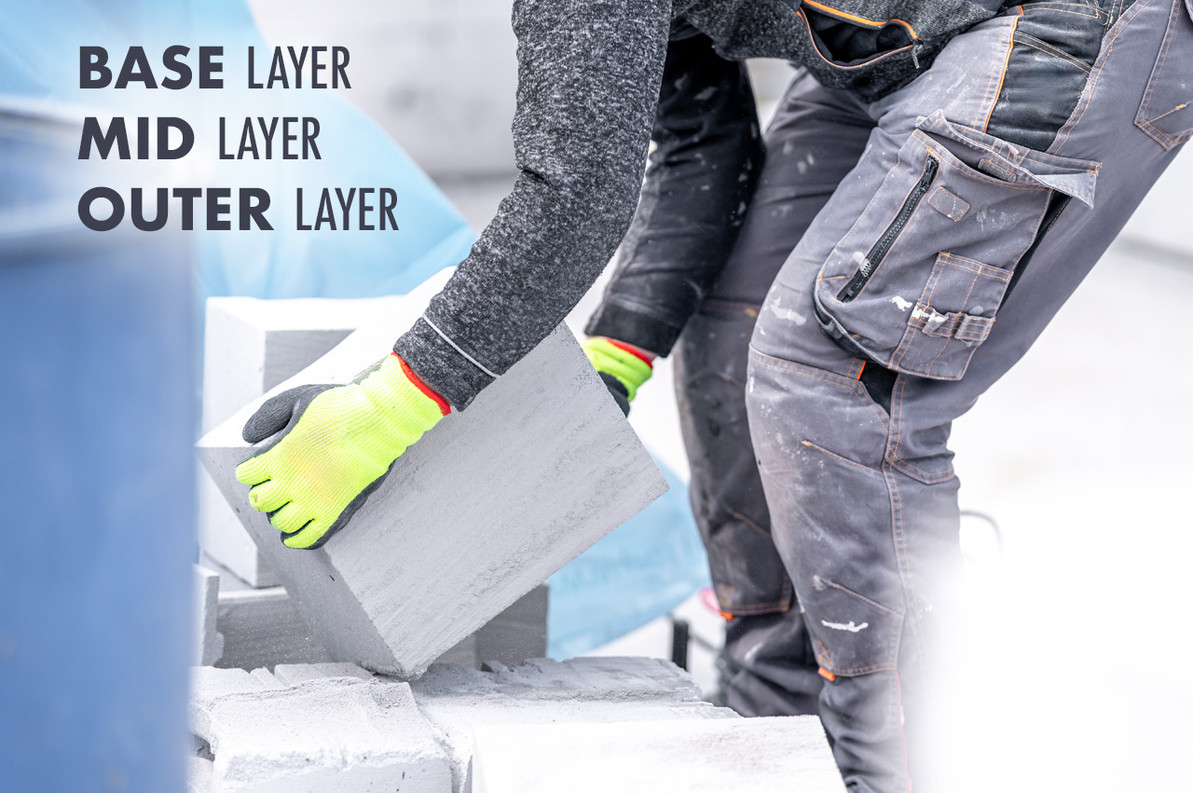
Seasonal Transitions for Safety Apparel: Layer Up!
When the Season Turns, Your Workwear Should Too
Fall is the trickiest time of year to dress for work. A crew can start the shift at 28°F with frost on the equipment and finish it at 55°F in direct sun. Dress for the morning and you overheat by lunch. Dress for the afternoon and you spend the first three hours shivering.
The answer is not a heavier jacket. It is layering, and every good layering system starts with what touches your skin. A quality base layer manages sweat, holds heat when you need it, and lets you shed outer layers as the day warms without losing your core temperature.
Cold also carries real safety risk. Stiff fingers drop tools, shivering slows reaction time, and damp clothing pulls heat from the body far faster than dry clothing does. Below, we break down how to build a seasonal layering system and feature the base layers our customers rely on, including flame resistant options for workers who face arc flash and flash fire hazards.
The Three-Layer System, Explained
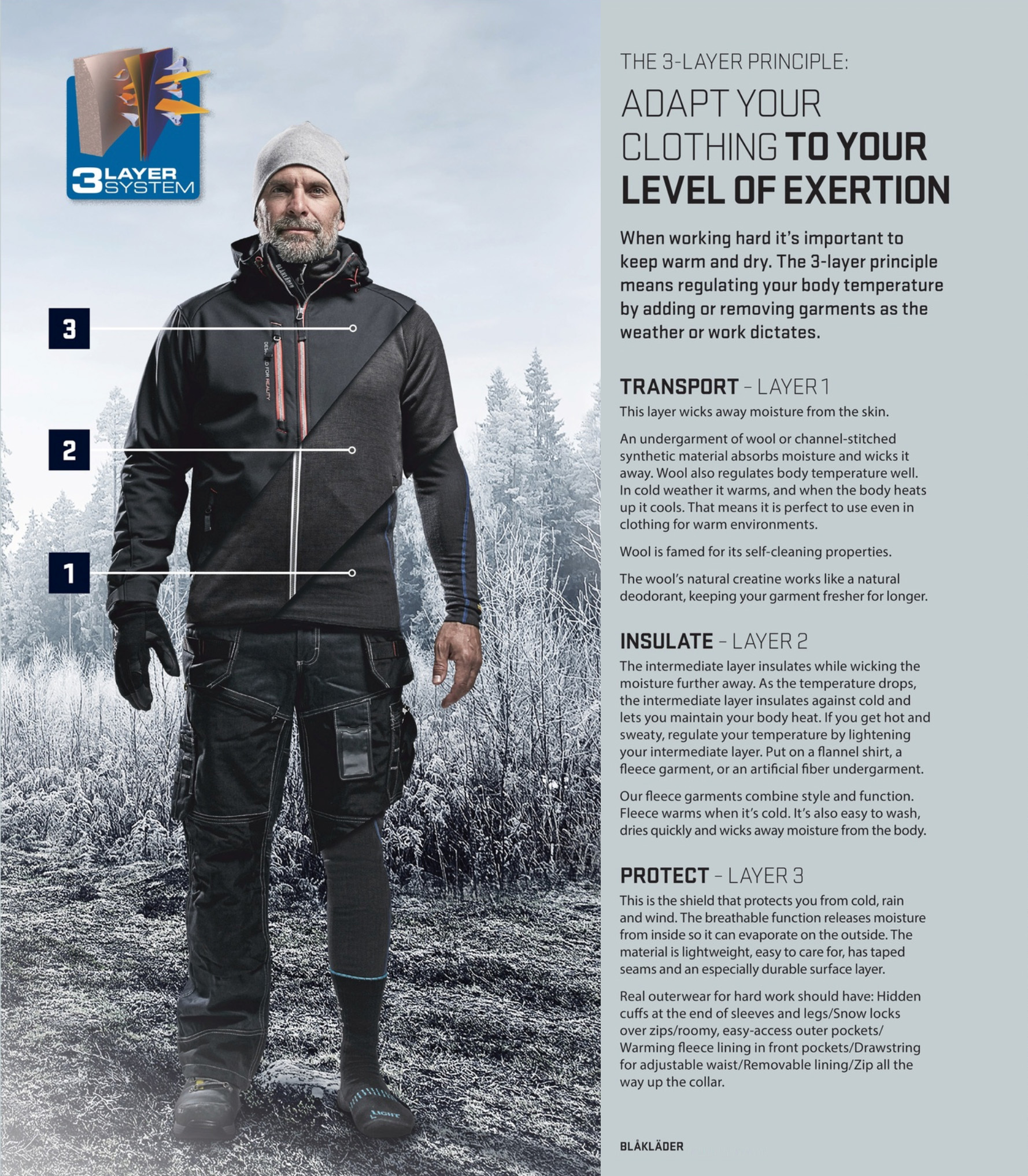
Professional outdoor workers dress in three layers, each with one job. Get the order right and you can adjust to any temperature swing in minutes.
|
Layer |
Job |
Typical workwear |
|
Base layer |
Moves sweat off skin and traps a thin layer of warm air |
Long underwear, crew neck tops, thermal leggings |
|
Mid layer |
Insulates by trapping more warm air |
Fleece, sweatshirts, insulated vests |
|
Outer layer |
Blocks wind, rain, and snow; adds hi-vis or FR protection |
Soft shells, parkas, rain gear, hi-vis jackets |
Adapt Your Clothing
The base layer matters most because it stays on all day. Cotton is the classic mistake here: it absorbs sweat, stays wet, and chills you the moment you stop moving. Merino wool and engineered synthetics wick moisture instead, so you stay dry through a hard morning and a cold afternoon break.
In fall, a light base layer under a work shirt may be all you need by midday. As winter sets in, heavier base layers become the foundation for full cold weather gear.
Quick Layering Tips for Seasonal Transitions
- Start the day with your base layer on and add or remove mid and outer layers as the temperature changes.
- Choose a zip-neck top, like the Blaklader Thermo Top, when your effort level swings between hard work and standing still.
- Keep a spare base layer in the truck. Changing out of a sweaty layer at lunch keeps you warmer all afternoon.
- Fit matters: a base layer should sit close to the skin without restricting movement or bunching under a harness.
- If you wear FR outerwear, every layer under it must be FR or non-melting. Check the label before you layer.
Which Base Layer Is Right for You?
Match the piece to your temperatures and your hazards. Use this table as a quick guide.
|
Product |
Coverage |
Material |
Rated range |
Best for |
Price |
|
Legs |
100% Merino, 180 g/m² |
22°F to -35°F |
Everyday cold-season bottom |
$74.95 |
|
|
Torso, arms |
100% Merino, 180 g/m² |
22°F to -35°F |
Fall mornings, layering under shirts |
$84.95 |
|
|
Torso, arms, neck |
70% Merino, 30% polypropylene |
Not listed |
Windy days; zip collar for venting |
$104.95 |
|
|
Legs |
70% Merino, terry |
-4°F to -31°F |
Deep-winter outdoor work |
$94.95 |
|
|
Head, face, neck |
Thermal fleece, SE-treated polyester, mesh |
Not listed |
Convertible warmth under a hard hat |
$20.35 |
|
|
Legs |
70% rayon, 24% polyester, 6% elastane |
Not listed |
Women's warehouse and utility work |
$62.00 |
|
|
Full body |
Modacrylic and FR blends |
Varies |
Arc flash and flash fire hazards |
From $16.00 |
Prices as listed on SafetySmartGear.com on October 1, 2026.
Working Around Arc Flash or Flash Fire? Layer Up With FR
If your job requires flame resistant clothing, your base layer is part of your PPE. NFPA 70E requires that any layer worn under arc-rated clothing be made of non-melting material. Many everyday thermal fabrics, including polyester, nylon, and polypropylene, can melt and stick to skin during an arc flash, turning a survivable incident into a severe burn.
The rule of thumb is simple: nothing that melts goes under your FR. That includes a fall-weather synthetic undershirt or a pair of stretch leggings with polyester content. Choose an FR base layer instead, and in cold months it can even add to your total protection when layered under arc-rated outerwear.
 Shop the FR Base Layer Collection
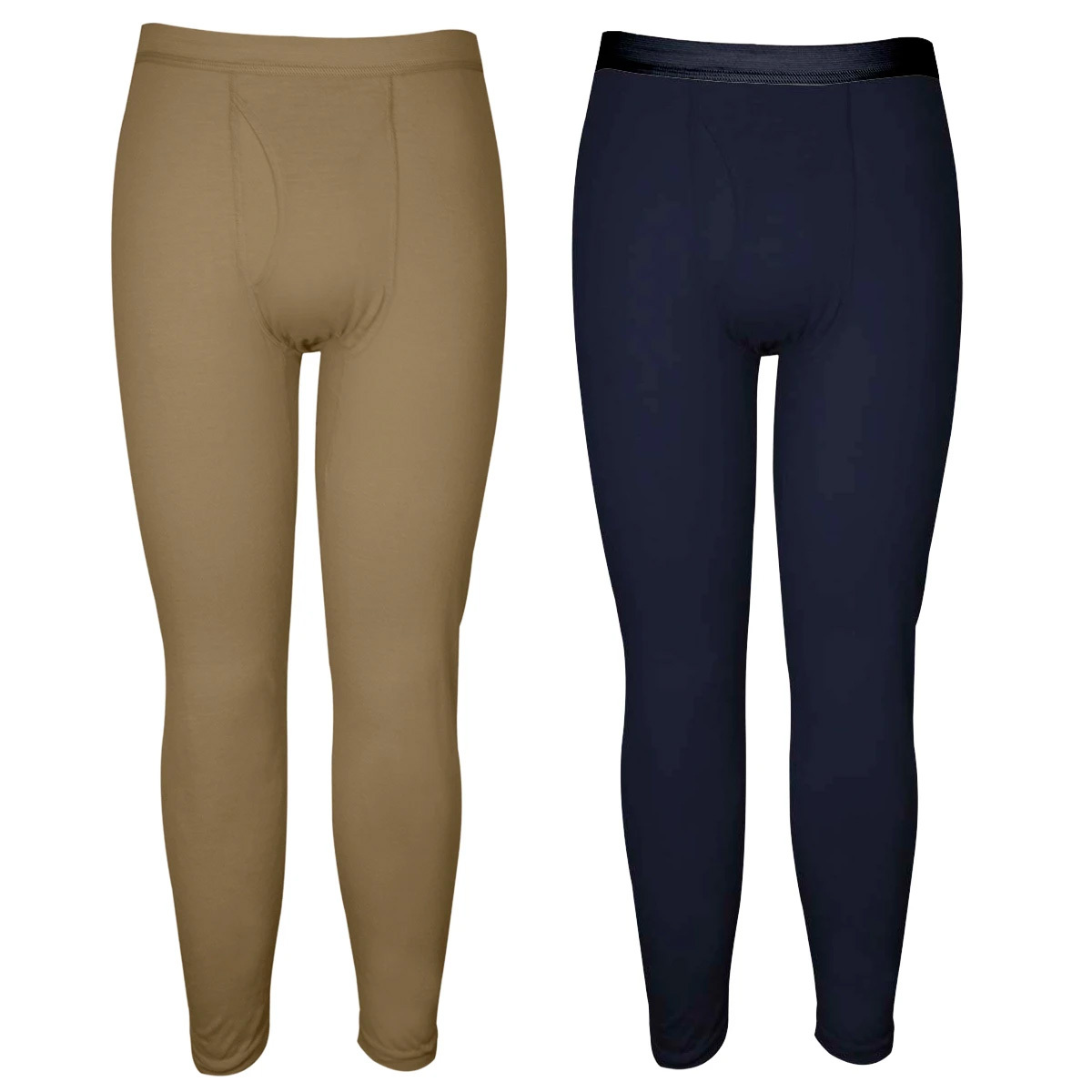
The SafetySmartGear FR Base Layer collection covers every piece of a flame resistant under-layer system, many of them made in the USA:
- FR long underwear: NSA FR Moisture Wicking Long Underwear U52FKSR uses a 5.5 oz modacrylic blend with a 4.0 cal/cm² arc rating.
- FR long johns: DRIFIRE FR Lightweight Long John DF2-446LP-NB at 5.4 oz for transition weather, and DRIFIRE FR Prime Long John DF2-CM-762-PLP at 6.5 oz for colder days.
- FR base layer bottoms: DragonWear FR Livewire Dual Hazard Base Layer Bottoms DFB10DH for workers facing both arc flash and flash fire.
- FR T-shirts: NSA FR NFPA 70E Long Sleeve Base Layer T-Shirt C52JKSRLS and the short sleeve version C52JKSR.
- FR underwear: DRIFIRE FR Moisture Wicking Boxer Briefs DF2-446BB and the NSA FR Control Sports Bra FRBRAJK for women.
- FR neck protection: the DragonWear FR Yukon Neck Gaiter DF800 and DragonWear Shape Shifter Pro Dry FR Neck Tube.
The whole category is discounted, so outfitting a crew for winter does not have to blow the PPE budget. For a deeper look at fabrics and ratings, see our FR Material Reference and Understanding FR guides.
 Get Ahead of the Cold
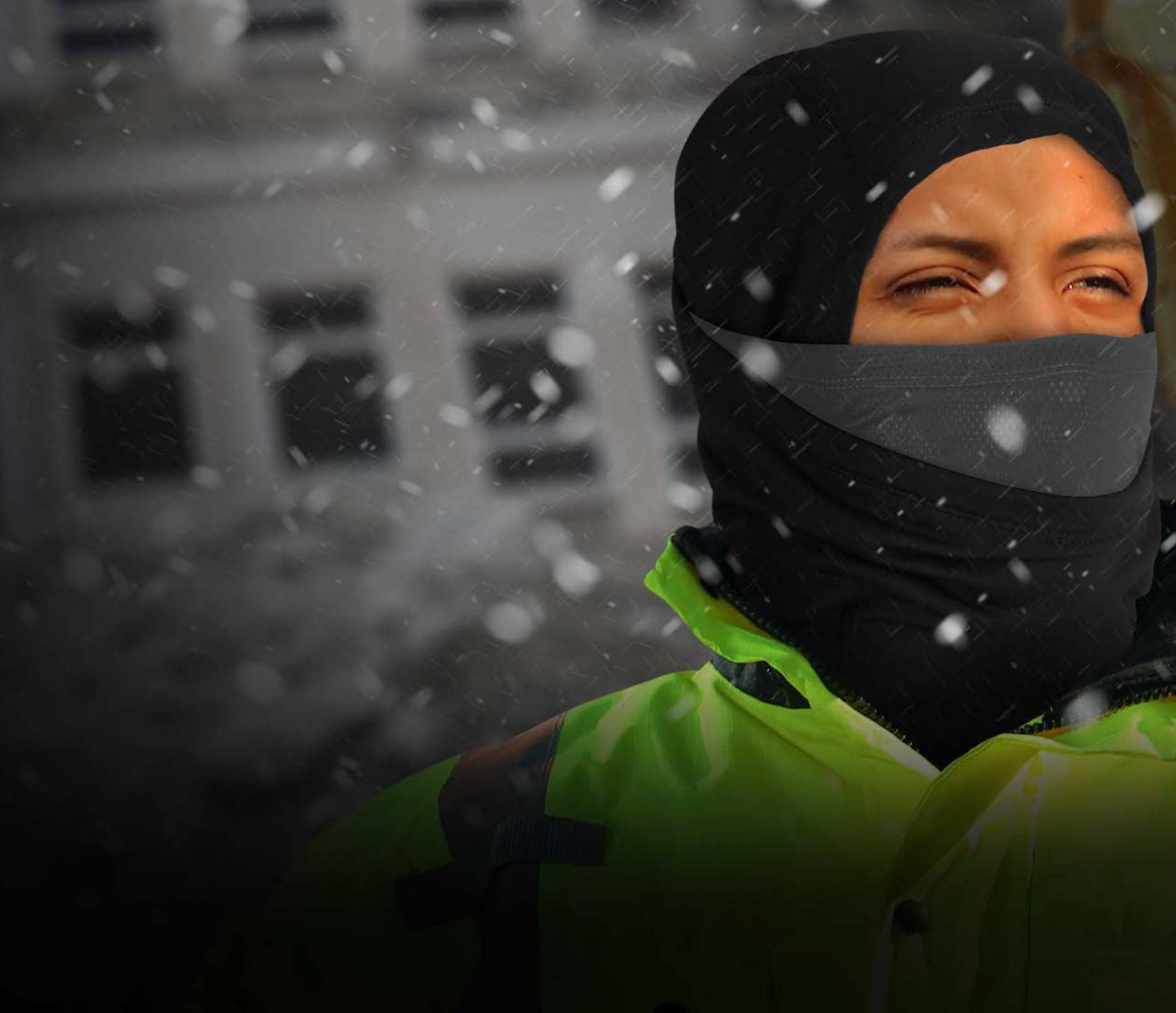
The best time to build your layering system is before the first hard frost, not after. Start with a quality base layer, add the right mid and outer layers for your job, and make sure every piece under FR outerwear is FR or non-melting.
Shop the full FR Base Layer collection, browse Cold Accessories for gloves, liners, and gaiters, or request a bulk quote to outfit your whole crew. Questions about sizing or ratings? Call our team at (508) 248-3141.
Frequently Asked Questions
What is a base layer in workwear?
A base layer is the garment worn directly against the skin, under work shirts and outerwear. Its job is to move sweat away from the body and hold a thin layer of warm air. Common base layers include long underwear, crew neck tops, and thermal leggings.
Is Merino wool good for a work base layer?
Yes. Merino wool wicks moisture, resists odor over long shifts, and stays warm even when damp. Blaklader's 100% Merino long underwear and crew neck top are rated for temperatures from 22°F down to -35°F.
Can I wear a regular base layer under FR clothing?
Only if it is made of non-melting material. NFPA 70E requires that layers under arc-rated clothing will not melt. Synthetic fabrics like polyester, nylon, and polypropylene can melt onto skin, so FR workers should choose a dedicated FR base layer.
Is a self-extinguishing balaclava the same as an FR balaclava?
No. A self-extinguishing balaclava, like the Radians RWL22SE, is treated so it stops burning when a flame is removed, as tested under ASTM D6413. An arc-rated FR balaclava carries a tested arc rating for electrical work under NFPA 70E.
How do I layer for cold mornings and warm afternoons?
Wear a moisture-wicking base layer all day, then add a mid layer and outer layer in the morning. Remove the outer layers as the day warms. A zip-neck base layer lets you vent heat without taking anything off.
Do you carry base layers for women?
Yes. Women's options include the Portwest KX3 Women's Flexi Work Legging KX380 and, for FR work, the NSA FR Control Sports Bra and other pieces in the FR Base Layer collection.
Recent Posts
-
Seasonal Transitions for Safety Apparel: Layer Up!
When the Season Turns, Your Workwear Should Too Fall is the trickiest time of year to dress for work …Oct 6th 2026 -
FR / Hi-Vis: Dual Protection for High-Risk Work Environments
Flame Resistant / Hi-Vis Clothing: Dual Protection for High-Risk Work Environments When workers face …Jul 22nd 2026 -

Heat Stress Relief Clothing & Cooling Products for Work
A Practical Buyer’s Guide for Hot-Weather Jobsites Cooling vests, neck wraps, hard hat shades, and h …Jun 22nd 2026